Distribution
How to Reduce OTA Commission in 2026
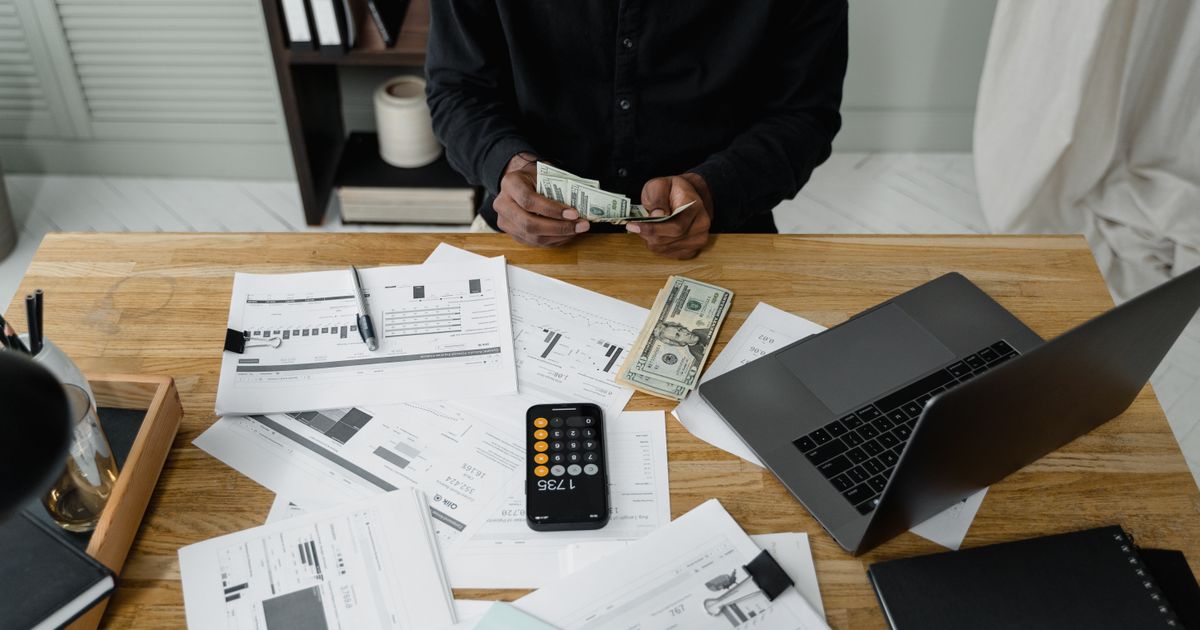
OTA commission is often a hotel's biggest controllable cost — 15 to 25% skimmed off every booking, month after month. You can't abolish it overnight, and you shouldn't abandon OTAs (they drive real demand). But you can steadily shrink what you hand over. Here are seven practical ways to reduce OTA commission without losing occupancy.
1. Grow direct bookings
The only way to pay zero commission is to book the guest yourself. A fast, mobile-friendly booking engine on your own site is the foundation — every direct reservation keeps the full 15–25%.
2. Match, don't undercut, the OTA rate
You rarely need to be cheaper than the OTA — just as cheap. At the same rate, a direct booking earns you more because there's no commission. Rate parity rules usually allow matching.
3. Add direct-only perks
Free breakfast, early check-in, late check-out, a welcome drink or loyalty points for booking direct. Small perks tip the guest toward your site without breaking parity on price.
4. Convert OTA guests into repeat direct guests
OTAs win the first booking; you win the next. Capture the guest relationship during the stay and follow up on WhatsApp and email so the second stay comes direct.
5. Use metasearch and Google
Google Hotel Ads and metasearch put your direct rate right beside the OTA price. When guests see they can book direct for the same or less, many do.
6. Negotiate and prune your OTA mix
Review commission rates and performance. Drop channels that deliver little, and negotiate terms on the ones that matter. Being on ten OTAs isn't a strategy — being on the right few is.
7. Know your real number
You can't cut what you don't measure. Add up the commission you paid last year — it's usually a bigger figure than owners expect, and it makes the case for going direct obvious.
See the real cost first
The case for going direct gets obvious once you see the number. Read how much OTA commission really costs you and the side-by-side in OTA commission vs direct booking. Then put your own figures into the OTA commission calculator.
Build the direct engine
Reducing commission and reducing OTA reliance are the same project. See how to reduce OTA dependency without losing bookings, put your direct rate in front of searchers with metasearch advertising, and fold this into the bigger picture of how to increase hotel revenue. The goal isn't zero OTAs — it's a healthier mix.
A worked example: what commission actually costs
These are illustrative numbers — drop your own into the OTA commission calculator to see your real figure. Imagine a 20-room hotel running 60% occupancy across a 30-day month:
- Room-nights sold: 20 rooms × 30 nights × 60% = 360 room-nights.
- OTA share: say 70% of those come via OTAs = 252 room-nights.
- At an average rate of ₹3,000, that's ₹7,56,000 of OTA revenue in the month.
- At 18% commission, you hand over roughly ₹1,36,000 — every month. Over a year that's in the region of ₹16 lakh.
Now the encouraging part: you don't need to eliminate OTAs to make a dent. Shifting just 10 percentage points of that OTA share to your own site — in this example, about 25 room-nights a month — saves roughly ₹13,000–₹14,000 every month, or well over a lakh a year, on the very same guests. See the per-booking difference in direct vs OTA take-home per booking.
Match the OTA rate — the parity maths
Most owners assume they must undercut the OTA to win a direct booking. You almost never do. If a room shows ₹3,000 on Booking.com and ₹3,000 on your own site, the OTA booking nets you around ₹2,460 after 18% commission, while the direct booking nets you the full ₹3,000. Same price to the guest, ~₹540 more to you. That's why rate parity — which usually requires you not to be cheaper — still leaves plenty of room to compete: you win on value, not price.
Turn a first OTA stay into a direct second stay
The OTA earns its commission on discovery — it introduced a guest who'd never heard of you. Fair enough. But you should rarely pay commission twice on the same guest. Capture the relationship during the stay (a QR check-in, a WhatsApp thread, an email), and follow up so the next booking comes direct. See how hotels increase direct bookings and WhatsApp marketing for hotels. A single repeat guest booking direct can wipe out the commission you paid to acquire them.
OTA commission in India: what to watch
- Visibility and “preferred partner” boosters quietly raise your effective rate — you're paying extra commission for placement. Audit whether the incremental bookings actually justify it.
Bottom line
You reduce OTA commission by shifting the mix, not by burning bridges. Match the OTA rate on your own site, add direct-only perks, convert OTA guests into repeat direct ones, and prune the channels that don't earn their keep. Do it steadily and the commission line shrinks while your occupancy holds.
From the field
You don't cut OTA commission by fighting the OTAs — you cut it by changing the mix. The playbook I see work is to let OTAs do what they're good at (discovery) while systematically converting repeat and direct-intent guests onto your own channel, so the expensive bookings shrink as a share of the total.
What one point of channel shift is worth
Take a property doing ₹40,00,000 a year in room revenue at a blended OTA commission of 18%. Shifting revenue toward your own site — where the only deduction is a ~2% payment gateway fee — recovers roughly ₹16,000 for every 1% of revenue you move off OTAs.
| Share moved to direct | Annual revenue shifted | Recovered vs OTA |
|---|---|---|
| 10 points | ₹4,00,000 | ~₹64,000 |
| 20 points | ₹8,00,000 | ~₹1,28,000 |
| 30 points | ₹12,00,000 | ~₹1,92,000 |
The number scales with your commission rate: the higher your blended OTA take, the more each point of shift is worth.
Worked example using typical 2026 India OTA commission of ~18% and a ~2% payment-gateway cost on direct bookings. Adjust to your own blended rate.
Keep reading
Shift the mix toward commission-free direct.
Frequently asked questions
How much commission do OTAs charge hotels?
Typically 15–25% per booking depending on the platform, market and any visibility or preferred-partner programs you opt into. That's deducted from every reservation, so on a busy month it's often one of your largest single costs.
What's the best way to reduce OTA commission?
Grow the share of bookings that come direct. Every reservation you move to your own website avoids commission entirely. You don't have to leave OTAs — you use them for discovery, then convert repeat and returning guests to your commission-free channel.
Can I get guests to book direct when OTAs are cheaper?
Usually your direct rate can match the OTA rate and still earn you more, because you're not paying commission. Add direct-only perks — free breakfast, early check-in, a small discount, loyalty points — and make booking on your site fast and mobile-friendly. Most guests will switch when it's clearly the better deal.
Will I lose bookings if I leave an OTA?
You might lose some discovery, which is why the smarter play is rebalancing rather than quitting. Keep the OTAs that genuinely bring new guests, prune the ones that just reshuffle demand you'd get anyway, and grow your direct share in parallel. Cut a channel only once your direct engine and metasearch presence can absorb the volume.
Does rate parity stop me offering a cheaper direct price?
Parity clauses generally require your public rates not to undercut the OTA — but they usually don't cover members-only or logged-in rates, phone/WhatsApp quotes, or value-adds like free breakfast and late checkout. So you can make direct the better deal through perks and closed-group rates without breaching parity. Check the exact terms in your OTA contracts.
Share this article