Why Boutique Hotels Can Charge More Than Chains (and How to Justify It)
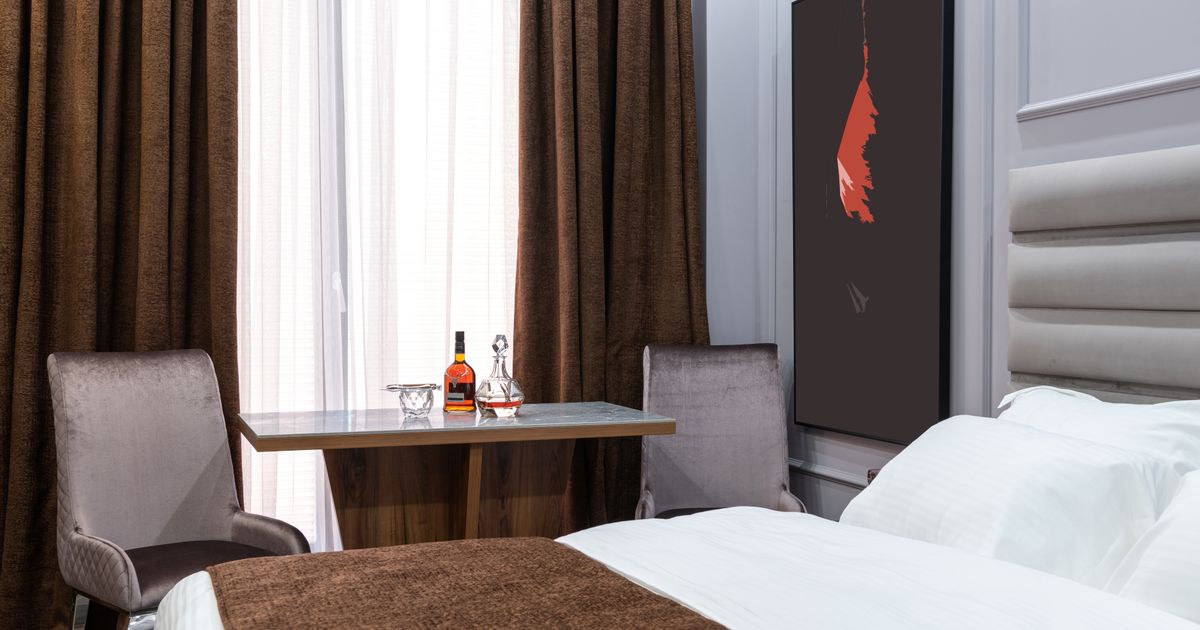
A large chain hotel by the highway offers a reliable room for a fair price. Down a quiet lane, a 12-room boutique hotel in a restored house charges more — and guests book it months ahead. Why do they pay the premium, and how can boutique owners price with confidence rather than nervously matching the chain?
What guests are paying for
- Character — design, history, local craft, a story worth telling friends.
- Location — the old city, the lake edge, the tea garden, not the bypass.
- Personal service — staff who know their name and preferences.
- Experience — food, walks, events, things that only happen there.
- Scarcity — few rooms, so the feeling stays intimate.
Different products
Costs that justify it
- Higher staff-to-guest ratio for personal service.
- Design, furnishing and upkeep of unique spaces.
- Maintenance of older or heritage buildings.
- Fixed costs spread over fewer rooms.
- No chain purchasing power.
How to price confidently
- Compare with the right set — other distinctive stays, not every hotel in town.
- Make the value visible — photos, story, inclusions and reviews that show the experience.
- Let rates follow demand — higher on weekends and peaks. See how to increase ADR.
- Package experiences rather than discounting rooms.
- Protect direct bookings — commission hurts more on a high-rate, low-volume hotel.
The risk of underpricing
Charging chain prices can fill rooms with guests who wanted a deal rather than the experience, overwork a small team, and leave too little money to maintain what makes the hotel special. The cheapest price is rarely the right one for a boutique property.
Earning the premium every day
- Consistent basics: beds, hot water, cleanliness, Wi-Fi.
- Personal touches that guests mention in reviews.
- Recognition of returning guests. See loyalty for independent hotels.
The bottom line
Boutique hotels can charge more because they sell something chains cannot: character, place, personal service and experience. Compare with the right competitors, show the value clearly, let rates follow demand, and deliver the premium every single day. See also how boutique hotels compete on experience.
Price your experience well
Frequently asked questions
Why are boutique hotels often more expensive?
Guests pay for something they cannot get elsewhere: distinctive design and story, a special location, personal service and a memorable experience. Small size also means higher costs per room for staff, design and maintenance.
How should a boutique hotel set its prices?
Start from the value guests perceive and the experience you deliver, not just what nearby chain hotels charge. Compare with other distinctive stays in your area, and let rates rise with demand.
Can boutique hotels compete with chain loyalty programmes?
Not on points. They compete on recognition and experience — remembering guests, personal touches and direct-only benefits for returning guests.
What happens if a boutique hotel underprices?
It may fill rooms but attract guests who wanted a bargain rather than the experience, strain a small team, and leave too little to maintain the standards that justify the stay.
Share this article