Smart Hotels: What Will the Hotel Room of the Future Look Like?
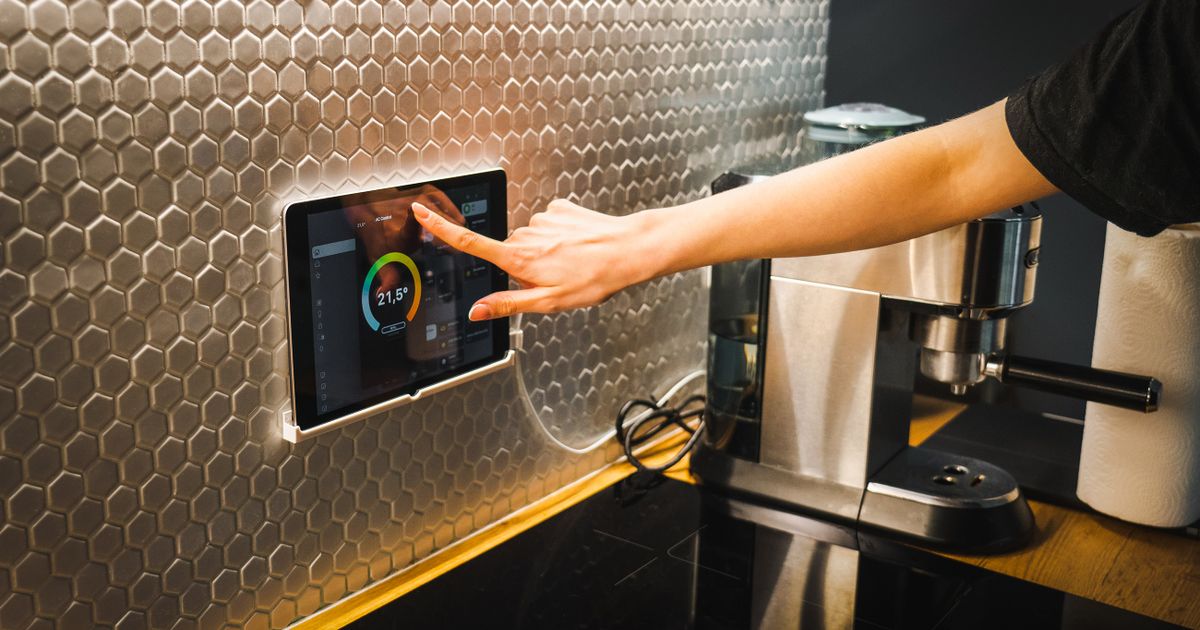
Every few years someone promises a robot butler and a room that reads your mind. The reality is quieter and more useful: the hotel room of the future is less about gadgets and more about removing friction and remembering who you are. Here's a grounded look at what's actually coming — and what it means for guests and owners.
The key in your pocket, then no key at all
The plastic key card is on its way out. Your phone becomes your key, so you arrive, skip the desk, and walk straight to your room. Beyond convenience, this unlocks late arrivals, self-service, and a smoother start to every stay. (This is the room-level piece of a bigger shift — see the rise of contactless check-in.)
A room that knows your preferences
The most meaningful change isn't flashy — it's memory. A future room greets a returning guest with the temperature, lighting, and pillow they liked last time, the TV already signed into their accounts, their usual breakfast noted. It feels like being recognised, and it's powered by guest data used well. (This is loyalty made physical — see turning guests into repeat customers.)
Voice and app control
Fumbling for the one switch that turns off the last light is nearly over. Lights, curtains, temperature, entertainment, and requests move to your voice or phone. The practical win isn't novelty — it's that ordering room service or extra towels becomes a tap, which also quietly opens up in-room upselling. (See what hotels can sell beyond the room.)
The AI concierge
Instead of a printed folder of hotel info, guests will ask — in their own language — for the pool timings, a dinner recommendation, or a late checkout, and get an instant, accurate answer that can actually act on the booking. Done right, it handles the routine questions so human staff can focus on the moments that need a person. (For where AI helps versus hypes, see how AI can help hotels increase revenue.)
Sustainability, built in
Smart rooms are also greener rooms: sensors that dial back heating and cooling in empty rooms, smarter lighting, and less waste. Increasingly guests care, and the savings land straight on the owner's P&L — a rare case where the guest-friendly choice is also the cost-saving one.
What it means for owners — including small ones
You don't need a sci-fi budget. The parts guests will soon expect — mobile keys, digital check-in, easy in-room requests, and using guest data to personalise the stay — are already affordable through modern hotel systems. The room of the future is less a renovation project and more a software one. (See how it fits together: the hotel technology stack for 2026.)
The bottom line
The hotel room of the future won't feel like a spaceship — it'll feel effortless and personal. Keyless entry, a room that remembers you, voice control, an AI concierge, and quiet sustainability, all in service of a simple goal: less friction, more recognition. The technology is the means; feeling genuinely looked after is still the point.
Frequently asked questions
What is a smart hotel room?
A smart hotel room uses connected technology — digital keys, voice or app control of lights, temperature and entertainment, and guest data — to make the stay more convenient and personalised. Instead of hunting for switches and calling the front desk, you control the room from your phone or voice, and it can remember your preferences.
Will the hotel room of the future feel less personal?
Only if it's done badly. The best smart rooms use technology to remove friction — check-in, controls, requests — so staff have more time for genuine hospitality, not less. Technology should handle the mechanical so people can handle the human. Cold, gadget-stuffed rooms with no warmth are a design failure, not the future.
Do small and independent hotels need smart-room technology?
Not the sci-fi version, but the practical parts increasingly matter: digital check-in, mobile keys, easy in-room requests and using guest data to personalise the stay. These are becoming guest expectations, and affordable modern systems now put them within reach of independents, not just big chains.
Share this article