Hotel Front Desk Best Practices
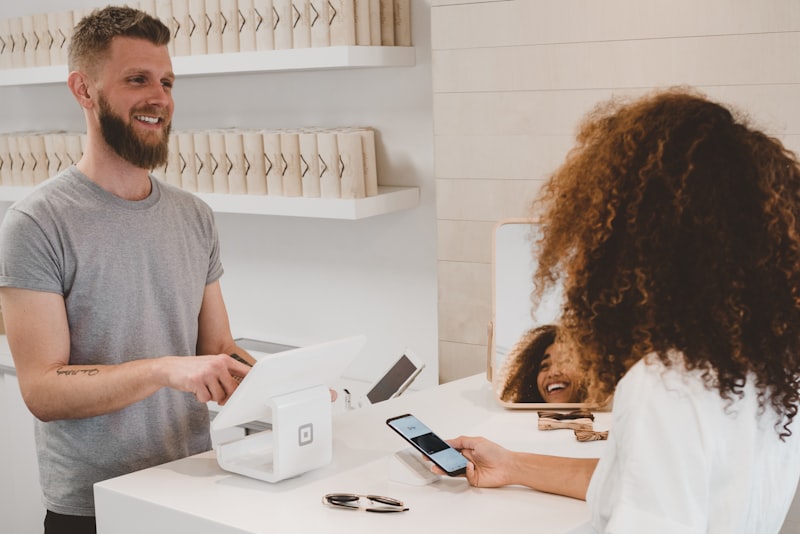
The front desk is the smallest square of floor space in your hotel and the most important. It makes the first impression when a guest arrives tired and hopeful, the last impression as they leave, and a dozen small impressions in between. Get it right and it quietly drives your reviews, your upsell revenue and your repeat business. Get it wrong and no amount of nice rooms will fully undo the damage.
For an independent hotel with a small team, the front desk is also where hospitality is won or lost every single day. This is a practical playbook of front desk best practices — smooth arrivals and departures, handling problems well, upselling without the cringe, and using technology so your people spend their time on guests rather than paperwork.
Make check-in fast, warm and expected
A guest arriving after a long journey wants to feel welcomed, not processed. The best check-ins are quick, friendly and frictionless: the arrival prepared before they reach the desk, a greeting by name, minimal paperwork, and a room that's genuinely ready. That first ninety seconds sets the emotional tone for the entire stay. Preparation is the secret — when your team can see the day's arrivals, preferences and any notes at a glance, a warm, effortless welcome becomes the default rather than a scramble.
Anticipate, don't just react
Great front desks think one step ahead. A note that a guest is arriving on a red-eye, celebrating an anniversary, or returning for the third time turns a generic check-in into a personal one. Flagging preferences — a high floor, a quiet room, an extra pillow — and acting on them before the guest has to ask is what separates a memorable stay from an adequate one. This kind of guest knowledge is exactly what a well-run system captures, and it's central to the wider job of turning first-time guests into regulars.
Handle problems like they're opportunities
Something will go wrong — a room not ready, a noisy neighbour, a billing query — and how the front desk responds matters more than the problem itself. Listen fully, acknowledge, apologise sincerely and fix what you can quickly, without defensiveness. Empower your team to resolve common issues on the spot instead of escalating everything, because in the moment, speed is everything. A complaint handled gracefully often creates a more loyal guest than one who never had an issue; the full approach is worth building deliberately, as covered in handling guest complaints.
Turn the desk into a gentle revenue channel
Check-in is the most natural upsell moment you have, and done well it feels like hospitality, not sales. Offer a quiet upgrade to a couple celebrating, an early check-in to a tired arrival, or a genuinely useful add-on — airport pickup, a good local dinner booking, a late checkout. The trick is relevance: suggest things that improve that specific guest's stay, and it lands as helpfulness rather than pressure. Framed this way, the front desk becomes a steady, high-margin channel — part of the broader set of hotel upselling strategies that lift revenue without adding a single room.
Let technology do the busywork
Every minute your team spends buried in paperwork is a minute not spent with a guest. Modern tools handle the repetitive load — reservations, room assignments, billing, the overnight reconciliation — so your people can focus on the human part that actually earns loyalty. A good property management system puts the day's arrivals, guest notes and room status in one place, and automating the back-office work like the night audit frees your team from late-night number-crunching. The goal isn't to remove the human touch; it's to protect it.
End the stay as well as you started it
Checkout is the last impression and it's often rushed — a mistake, because it's your final chance to leave a guest delighted and to set up their return. Make it quick and painless, present a clear and correct bill, thank them genuinely, and — crucially — capture their details and invite them back with a reason to book direct. A guest who leaves feeling well looked after and gently invited to return is far more likely to come back through your own door than an OTA. That's the front desk quietly closing the loyalty loop.
The front desk checklist
- Is check-in fast, warm, and prepared before the guest reaches the desk?
- Do you capture and act on guest preferences and history?
- Is your team empowered to resolve common problems on the spot?
- Are you upselling by relevance and timing, not pressure?
- Does technology handle the busywork so staff can focus on guests?
- Is checkout smooth, and does it capture details and invite a return?
Your front desk is where your hotel's reputation is actually made — one arrival, one problem, one warm goodbye at a time. Give it a clear playbook and the right tools, and that small square of floor space becomes the engine of your reviews, your upsells and your repeat business.
Keep reading
Running a sharper, more profitable front desk.
Frequently asked questions
What makes a great hotel check-in experience?
Speed, warmth and being expected. Guests arriving after a long journey want to feel recognised, not processed — so the best check-ins are quick, friendly and free of friction. Have the arrival ready before the guest reaches the desk, greet them by name, keep the paperwork minimal, and hand over a room that's genuinely ready. A slow, fumbling or cold check-in sets a negative tone that colours the whole stay; a warm, effortless one buys you goodwill you'll feel in the review.
How should front desk staff handle an upset guest?
Listen fully, acknowledge the problem, apologise sincerely and fix what you can quickly — without arguing or getting defensive. Most upset guests calm down the moment they feel genuinely heard and see you taking ownership. Empower your front desk to resolve common issues on the spot rather than escalating everything, because speed matters enormously in the moment. A complaint handled gracefully often produces a more loyal guest than one who had no problem at all; a complaint handled badly becomes a public one-star review.
Can a small hotel front desk really upsell without being pushy?
Yes, and check-in is the natural moment. Upselling works when it's framed as help, not a sales pitch — offering a quiet upgrade for a couple celebrating, an early check-in for a tired arrival, or a genuinely useful add-on like airport pickup or a good local dinner booking. The key is relevance and timing: suggest things that improve that specific guest's stay, and it feels like good hospitality rather than pressure. Done this way, the front desk becomes a quiet, high-margin revenue channel.
Share this article