The WhatsApp Message That Can Fill Tomorrow's Empty Rooms
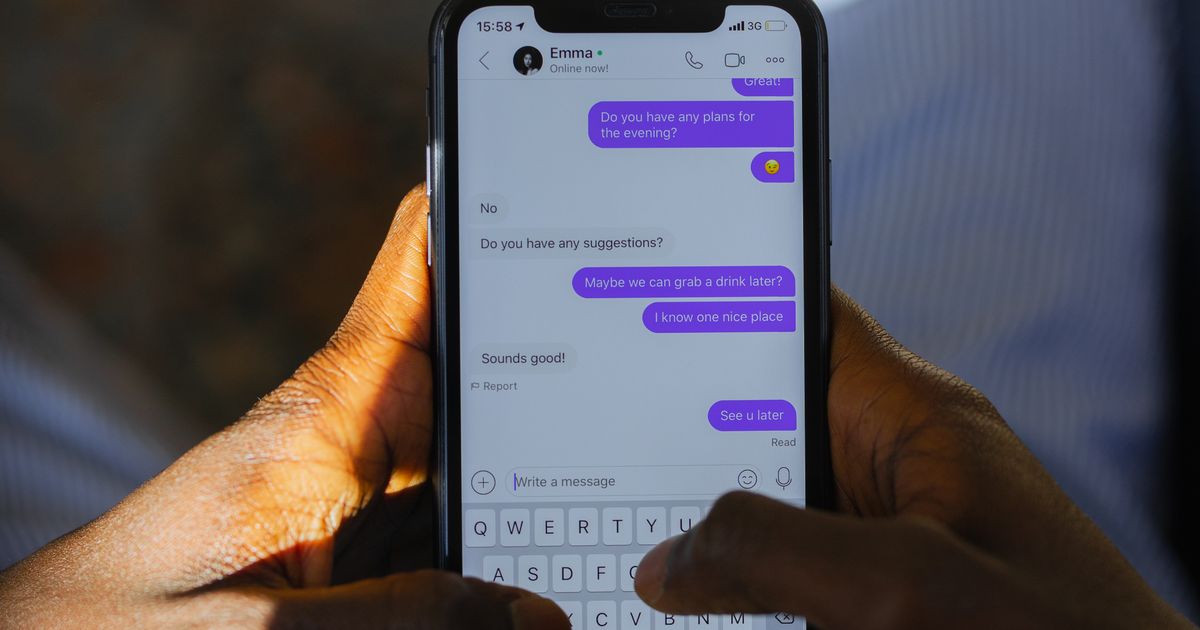
Tonight, somewhere in your hotel, a room will sit empty. That room will never earn its revenue back — an unsold night is gone forever, unlike unsold stock a shop can offer tomorrow. Meanwhile, sitting in your phone, are dozens of people who have already stayed with you, already liked it, and already have your number. The distance between that empty room and a booking is often a single, well-judged WhatsApp message.
In India, WhatsApp isn't a marketing channel bolted on to the side of the business — it's where conversations already happen. Guests message hotels to ask about check-in, share their train delay, request an early room. That familiarity is exactly why a thoughtful message from a hotel a guest already trusts can do what an expensive ad never will.
Why past guests are your best rooms-filler
The cheapest booking you will ever get is from someone who has already stayed with you. They know the property, they trust it, and reaching them costs almost nothing. Compare that to filling the same room through an OTA, where you pay commission on a guest you may never see again, or through paid ads, where you rent attention from strangers. A returning guest skips both the commission and the persuasion.
This is the whole logic behind reckoning with the hidden cost of empty rooms: an unsold night is a total loss, so filling it at a fair direct rate — even a modest one — is almost always better than protecting a rate no one is booking. Your past-guest list is the fastest, cheapest way to do exactly that.
What the message should actually say
The message that works isn't a discount blast. It's relevant, specific and effortless to act on. Three ingredients matter:
- A reason that's about them, not you. A long weekend coming up, a festival in town, the quiet season they once said they loved — a hook that fits the guest, not just your empty calendar.
- A specific, time-bound window. “We have rooms free this Friday to Sunday” beats “come stay again sometime.” Specific dates create a decision.
- A one-tap way to book. A direct link to your own booking page, so the reply turns into a commission-free reservation without friction.
The craft of this — tone, timing, frequency, how to build the list responsibly — is worth doing properly. Our deeper guide on WhatsApp marketing for hotels covers how to do it without becoming the hotel people mute.
Timing is the whole game
A last-minute nudge works because it meets a specific gap. If you can see that this weekend is soft, a Wednesday message to nearby past guests — the ones for whom a spontaneous weekend is realistic — can convert in a way no scheduled campaign will. The message isn't “please book us”; it's “here's a good reason to come back, and here are the exact dates that are open.”
Illustrative example: a small hotel notices Friday and Saturday are only half-booked. On Wednesday it sends a short WhatsApp to past guests within a few hours' drive, mentioning a local event that weekend and a direct-booking link. A handful reply, a few book, and rooms that were heading for empty get filled at a fair rate — with no commission paid to anyone. The cost of sending the message was effectively zero.
The discipline that keeps it working
The reason most hotels don't get this right is that they either never do it, or they overdo it until guests tune out. A few rules keep the channel valuable:
- Only message people who know you. Past guests, not bought lists.
- Keep it occasional. A relevant message now and then earns attention; a weekly blast burns it.
- Lead with relevance, not discounts. Save price cuts for when they're genuinely needed, so you don't train guests to wait for deals.
- Make opting out easy. Respect keeps you welcome in the one inbox everyone actually reads.
Done this way, WhatsApp becomes part of a bigger habit: owning the relationship with your guests instead of renting it from platforms. It sits alongside a broader push to grow direct bookings without ad spend, your loyalty efforts, and the work of turning first-time guests into repeat customers. Each empty room you fill from your own list is revenue you kept in full — and a guest you brought one step closer to coming back again.
Keep reading
Filling rooms from your own guest relationships.
Frequently asked questions
Isn't messaging past guests just spam?
It's spam only if it's irrelevant, too frequent, or sent to people who never agreed to hear from you. A message to a guest who has stayed with you, offering something genuinely useful — a quiet mid-week window, a festival long weekend, a returning-guest rate — is a service, not a nuisance. The rules are simple: message people who know you, keep it occasional, make it specific and easy to act on, and always make it effortless to opt out. Do that and WhatsApp becomes a welcome nudge, not junk.
Do I need a big list for this to work?
No. Because these are people who have already stayed and already trust you, even a modest list of past guests converts far better than cold advertising to strangers. A hotel that has hosted a few hundred guests a year quietly builds a valuable audience over time. The point isn't reach; it's relevance and relationship. A small list of real past guests will out-perform a large list of people who've never heard of you.
Should I always discount to fill last-minute rooms?
Not always, and not by default. Discounting is one tool, but a WhatsApp nudge can work through timing and relevance alone — reminding a past guest that a long weekend is coming up, or that you have availability during an event they'd care about. When you do discount, keep it targeted and time-boxed so you don't train guests to wait for deals. A room filled at a fair direct rate beats a room given away, and it certainly beats an empty room that earns nothing.
Share this article