What Happens When a Hotel Is Fully Booked?
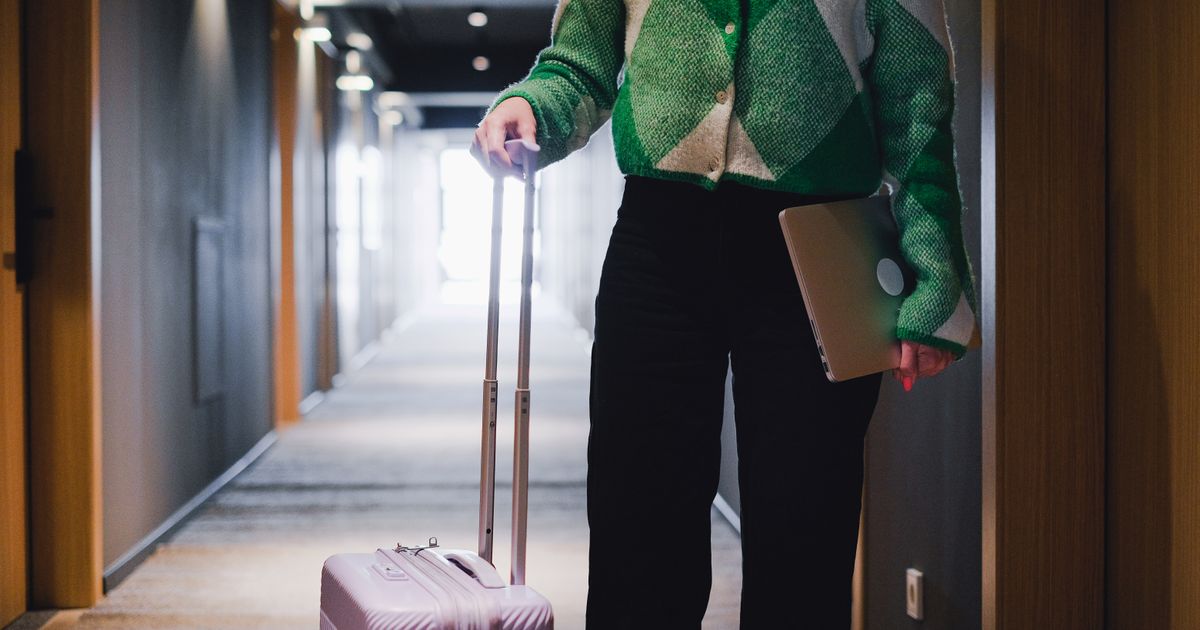
You find the perfect hotel, click through to book, and there it is: “Sold out.” It feels final — the door closed, the room gone. But inside the hotel, “fully booked” is far less final than it looks. A hotel's availability is a living, shifting thing, and a “sold out” sign is really just a snapshot of one particular moment.
Understanding what actually happens when a hotel fills up — and why rooms keep quietly appearing and disappearing — can be the difference between giving up and getting the room you wanted. Here's what's going on behind that sign.
“Sold out” is a moving target
A hotel's inventory changes constantly right up to arrival day. Plans fall through, trips get cancelled, and guaranteed rooms are released when guests don't show. Every one of those events can put a room back on sale minutes after the hotel looked completely full. So the availability you see is never the final word — it's simply where things stand this second.
A lot of this churn comes from the ordinary rhythm of bookings and their reversals, the same forces behind why hotel bookings get cancelled and what happens when someone misses their booking. Each cancellation or no-show is potentially your way in.
Waitlists and the cancellation you can catch
Because rooms free up so often, many hotels keep an informal waitlist — and this is where a direct phone call beats endlessly refreshing an app. If you ring the hotel and ask to be noted for any cancellation, staff can call you the moment a room opens. Front-desk teams often see releases and last-minute availability that a booking website hasn't caught up with yet. A polite conversation with a real person is one of the most underrated tools a traveller has.
It also helps to be flexible. A different room type, a slightly shifted date, or a nearby part of town can turn “no availability” into “yes, we can do that.” The narrower your requirements, the more “sold out” you'll hit; the more flexible you are, the more doors open.
Why hotels sometimes sell more rooms than they have
Here's the part that surprises travellers: hotels sometimes deliberately accept more bookings than they have rooms. Because a predictable share of guests cancel or don't turn up, selling a few extra rooms means the hotel doesn't end the night with empty ones it could have filled. It's a calculated bet, not a mistake — and we explain the logic fully in why hotels overbook rooms.
Occasionally the bet doesn't pay off and everyone shows up. When that happens, a well-run hotel doesn't leave you stranded — it “walks” you: arranging a comparable room at another nearby hotel, typically covering the cost, the transport and often the rate difference. It's inconvenient, but handled properly it's a managed situation, not a catastrophe. Guaranteed and prepaid bookings, arriving on time with your confirmation, are the least likely to be affected.
Illustrative example: a traveller arrives at a hotel that has oversold. Rather than turning them away, the front desk has already arranged an equivalent room at a partner hotel five minutes away, pays for the taxi, and covers the small rate difference. Not the night they planned — but they still had a good room, and the hotel absorbed the cost of its own overbooking.
How to still get a room when everywhere is “full”
Put it all together and a “sold out” hotel is rarely as closed as it seems. Your best moves:
- Call the hotel directly. Staff see real-time availability and last-minute releases that apps miss.
- Ask to be waitlisted for cancellations, and leave a number they can reach you on.
- Check again closer to the date, when cancellations and no-show releases put rooms back on sale.
- Be flexible on room type, dates or area — small compromises unlock big availability.
- For busy dates, book early. The surest way to beat “sold out” is to not race it in the first place.
A full hotel isn't a locked door so much as a busy one. Knowing how the system really works — the constant churn, the waitlists, the overbooking safety nets — lets you approach it calmly and often walk away with a room. It's all part of learning how to choose and book the right hotel online, sold-out sign or not.
Keep reading
Navigating sold-out hotels and last-minute rooms.
Frequently asked questions
If a hotel is 'sold out', is it really impossible to get a room?
Not necessarily. 'Sold out' is a snapshot, and hotel inventory moves constantly. Cancellations, no-shows and changed plans free up rooms right until the last minute, so a hotel that shows no availability today may have a room tomorrow — or even later the same day. Calling the hotel directly, asking to be waitlisted, or checking again closer to the date are all genuine ways travellers still get into a 'full' hotel. Sold out rarely means sold out forever.
What happens if a hotel oversells and can't give me a room?
Reputable hotels that overbook plan for this with a process called 'walking' a guest: if they truly can't honour your booking, they arrange a comparable room at another hotel nearby, usually cover the cost and transport, and often the difference in rate. It's inconvenient but not a disaster if handled well. To protect yourself, hold a confirmed booking with a reference number, arrive within your check-in window, and keep your confirmation handy — guaranteed and prepaid bookings are typically the last to be affected.
How can I improve my chances of getting a room when everywhere is full?
Be flexible and be direct. Call the hotel rather than relying only on apps, since staff can see real-time availability and last-minute releases that a website might not show. Ask to be put on a waitlist for cancellations, consider slightly different dates or room types, and look at nearby areas. Booking early for busy dates is the surest fix, but when you're caught out, a polite phone call to the front desk is often more effective than refreshing a booking site.
Share this article